
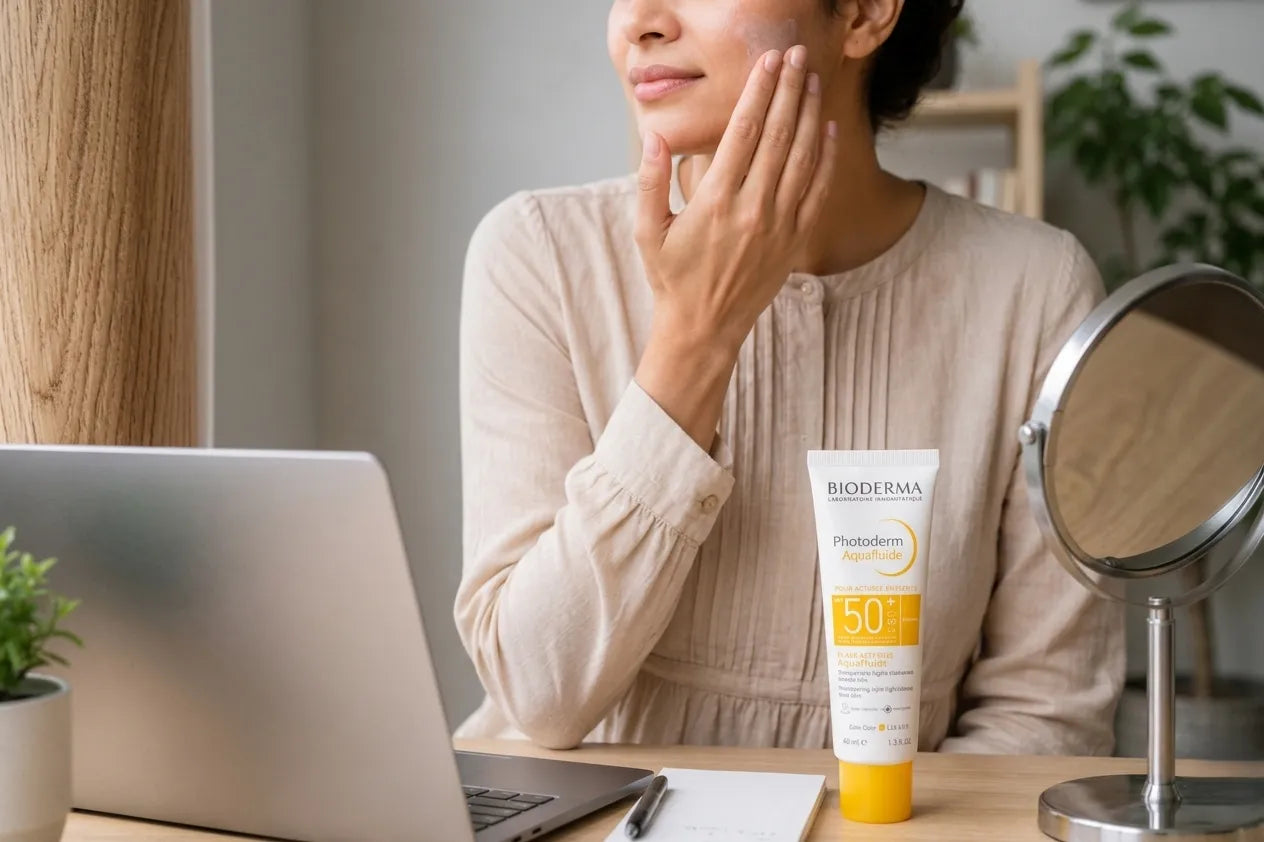

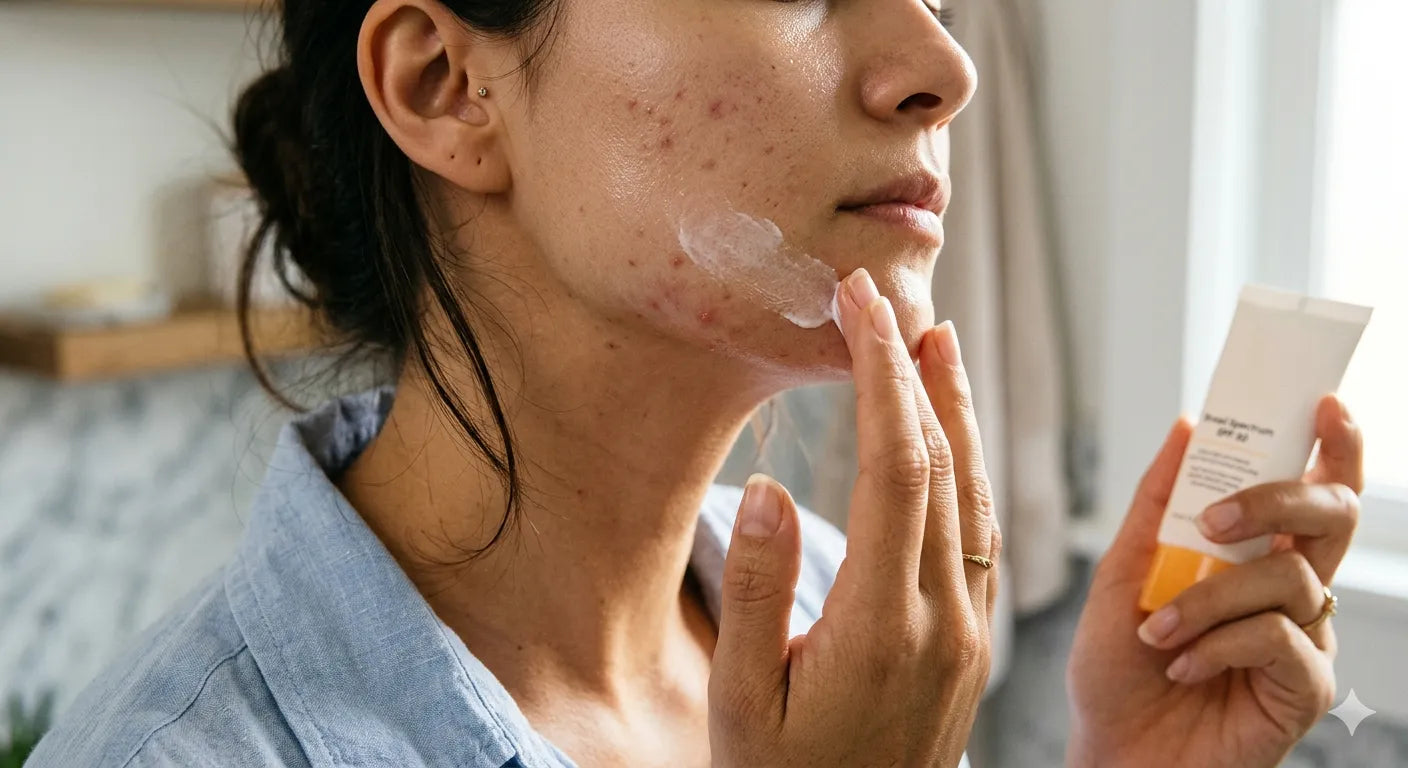
Can Sunscreen Cause Acne? Everything You Need to Know
Sunscreen is one of the most recommended skincare products in the world. Dermatologists constantly talk about its importance for protecting skin against sun damage, pigmentation, tanning, and premature ageing. But despite all these benefits, one question still worries many skincare users.
Can sunscreen cause acne?
The answer is yes, certain sunscreens can contribute to breakouts if they are not suitable for your skin type. However, avoiding sunscreen completely is not the solution. In fact, skipping sunscreen can make acne scars, inflammation, and pigmentation even worse.
The real secret lies in choosing the right sunscreen for your skin.
If you have oily, combination, or acne prone skin, this guide will help you understand why some sunscreens trigger pimples and how to prevent it while still protecting your skin every day.
Why Do Some Sunscreens Cause Acne?
Not every sunscreen works the same way. Some formulas are lightweight and breathable, while others are thick, oily, and heavy on the skin.
When a sunscreen blocks pores, oil and bacteria get trapped underneath the skin. This can lead to:
-
Whiteheads
-
Blackheads
-
Small bumps
-
Painful pimples
-
Skin congestion
People living in hot and humid climates may notice this problem more often because sweat and excess oil production increase throughout the day.
Acne caused by unsuitable skincare products is often called acne cosmetica. This type of acne develops when pore clogging ingredients sit on the skin for long periods.
Common Reasons Sunscreen Triggers Breakouts
There are several reasons why sunscreen may not work well for certain skin types.
Heavy Formulations
Thick creams can feel greasy and suffocating on oily skin. They may trap sweat and dirt more easily.
Comedogenic Ingredients
Some ingredients are more likely to clog pores. Products labelled non comedogenic are usually safer for acne prone skin.
Excess Oil Production
Certain sunscreens make oily skin feel even shinier, increasing the chance of clogged pores.
Poor Cleansing Habits
Sleeping with sunscreen still on your skin can cause buildup, irritation, and breakouts.
Fragrances and Irritants
Sensitive skin may react to artificial fragrance or harsh alcohol based formulas.
Can Sunscreen Actually Help Acne?
Yes, absolutely.
The right sunscreen can improve the appearance of acne prone skin over time.
Sun exposure can worsen:
-
Acne scars
-
Hyperpigmentation
-
Redness
-
Inflammation
Without sunscreen, acne marks may become darker and take much longer to fade.
Sunscreen is especially important if you use acne treatments like:
-
Retinol
-
Salicylic acid
-
Benzoyl peroxide
-
Chemical exfoliants
These ingredients make the skin more sensitive to UV rays.
Daily sunscreen use protects healing skin and prevents further damage.
How to Choose the Right Sunscreen for Acne-prone Skin
Finding the right sunscreen can completely change your skincare experience.
Here is what to look for.
Non Comedogenic Formula
This means the product is designed not to clog pores.
Lightweight Texture
Gel based or fluid sunscreens usually work better for oily skin.
Oil Free Formula
Oil free sunscreens reduce excess shine and feel more comfortable during hot weather.
Broad Spectrum Protection
Choose sunscreen that protects against both UVA and UVB rays.
SPF 30 or Higher
Dermatologists generally recommend SPF 30 or above for daily protection.
Many skincare users searching for the best sunscreen in Dubai prefer lightweight and sweat resistant formulas because of the region’s strong heat, humidity, and intense UV exposure.
Check out the blog Best Skincare Routine for Acne-Prone Skin for a deep read on the skincare practices.
Signs Your Sunscreen May Not Suit Your Skin
Sometimes your skin reacts quickly after changing products.
Watch out for these signs:
-
Tiny bumps after application
-
Increased whiteheads
-
Greasy feeling within minutes
-
Irritation or itching
-
Breakouts around the forehead or cheeks
If this happens, your sunscreen formula may be too heavy or unsuitable for your skin type.
Mineral vs Chemical Sunscreen for Acne
People with acne-prone skin often wonder which type of sunscreen works better.
Mineral Sunscreen
Mineral sunscreen contains ingredients like zinc oxide and titanium dioxide. These sit on top of the skin and reflect UV rays.
Benefits include:
-
Gentler on sensitive skin
-
Less irritation
-
Suitable for redness-prone skin
Chemical Sunscreen
Chemical sunscreen absorbs UV rays before they damage the skin.
Benefits include:
-
Lightweight texture
-
Invisible finish
-
Easier blending
The best option depends on your skin type and comfort.
Does Sunscreen Cause Acne More in Humid Weather?
Humidity can definitely make sunscreen feel heavier.
Sweat, pollution, and excess oil mix together on the skin throughout the day. If your sunscreen is thick or greasy, clogged pores become more likely.
This is why many people prefer gel-based sunscreen in warm climates.
Lightweight sunscreens absorb quickly and allow the skin to breathe better during hot weather.
How to Prevent Sunscreen-Related Breakouts
You do not need to stop wearing sunscreen to avoid acne.
Simple skincare habits can help prevent clogged pores and irritation.
Double Cleanse at Night
Removing sunscreen properly is extremely important.
Using an oil cleanser followed by a gentle face wash helps remove sunscreen buildup effectively.
Avoid Too Many Heavy Products
Layering thick creams, heavy makeup, and sunscreen together can overwhelm the skin.
Wash Sweat Quickly
Sweat mixed with sunscreen can increase congestion if left on the skin for too long.
Keep Makeup Brushes Clean
Dirty brushes and sponges can spread bacteria and worsen acne.
Patch Test New Products
Testing new sunscreen on a small area helps identify irritation before full use.
Can People With Oily Skin Wear Sunscreen Daily?
Yes.
Oily skin still needs sun protection every day. In fact, oily and acne prone skin may develop more post acne pigmentation when exposed to sunlight.
Skipping sunscreen can lead to:
-
Darker acne scars
-
Increased redness
-
Uneven skin tone
-
Faster skin ageing
The solution is not avoiding sunscreen. It is choosing the correct formulation.
Common Myths About Sunscreen and Acne
“All Sunscreens Cause Pimples”
Not true. Many sunscreens are specially made for acne prone skin.
“Oily Skin Does Not Need Sunscreen”
Every skin type needs protection from UV damage.
“Sunscreen Makes Acne Worse Forever”
Most sunscreen related breakouts improve after switching to a better formula.
“Makeup With SPF Is Enough”
SPF in makeup usually does not provide enough protection on its own.
Best Ingredients for Acne Prone Skin
When choosing sunscreen, look for skin friendly ingredients such as:
-
Zinc oxide
-
Niacinamide
-
Hyaluronic acid
-
Green tea extract
-
Aloe vera
These ingredients help soothe and hydrate the skin while protecting against sun damage.
Final Thoughts
Sunscreen does not automatically cause acne. The problem usually comes from choosing formulas that are too heavy, greasy, or unsuitable for your skin type.
The right sunscreen can actually improve acne prone skin by protecting it from inflammation, pigmentation, and UV damage.
Daily sun protection is one of the most important steps in maintaining clear and healthy skin.
If you are looking for skincare essentials from the best online pharmacy in Dubai, explore Med 7 Online for trusted skincare products, quality sun protection, and convenient online shopping for your daily wellness needs.
FAQs
1. Can sunscreen really cause acne?
Yes, some sunscreens can cause breakouts if they contain heavy or pore-clogging ingredients that do not suit your skin type.
2. Which type of sunscreen is best for acne-prone skin?
Lightweight, non-comedogenic, oil free, and gel-based sunscreens are usually best for acne-prone skin.
3. Can oily skin use sunscreen daily?
Yes, oily skin still needs daily sun protection to prevent pigmentation, tanning, and premature ageing.
4. Why do I get breakouts on my skin after applying sunscreen?
Breakouts may happen because of heavy formulas, clogged pores, sweat buildup, or ingredients that irritate sensitive skin.
5. Is mineral sunscreen better for acne prone skin?
Mineral sunscreen can work well for sensitive and acne prone skin because it is generally gentler and less irritating.
6. Can sunscreen help reduce acne marks?
Yes, sunscreen helps prevent acne scars and dark spots from becoming darker due to sun exposure.
7. How can I prevent sunscreen related pimples?
Choose non comedogenic sunscreen, cleanse properly at night, avoid heavy skincare layering, and reapply sunscreen correctly.
8. Should I stop using sunscreen if I have acne?
No, avoiding sunscreen can worsen acne marks, pigmentation, and skin inflammation caused by UV exposure.
9. What SPF is recommended for acne prone skin?
Dermatologists usually recommend SPF 30 or higher with broad spectrum protection for daily use.
10. Can sunscreen clog pores?
Some sunscreens can clog pores if they contain heavy or comedogenic ingredients. Choosing a lightweight, non comedogenic sunscreen can help prevent clogged pores and breakouts.
