

How to Treat Dry Skin on the Face: Causes, Remedies & Skincare Tips
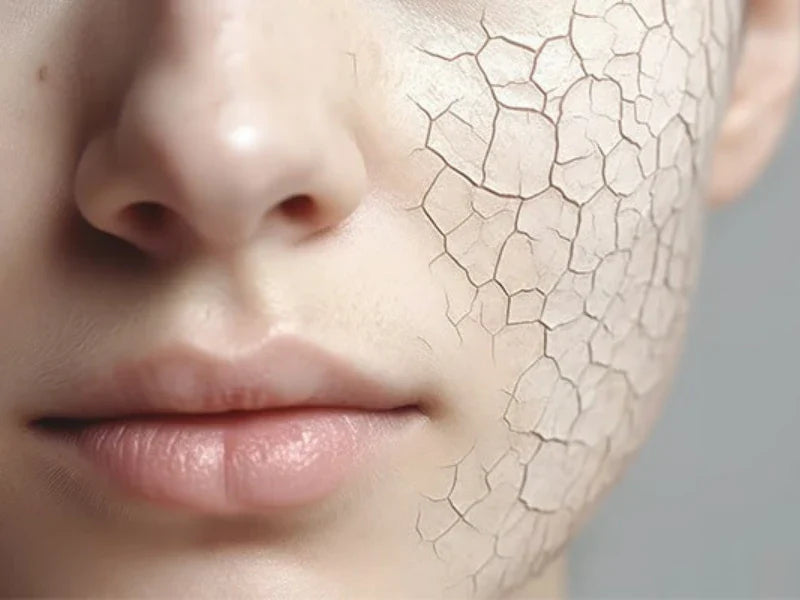
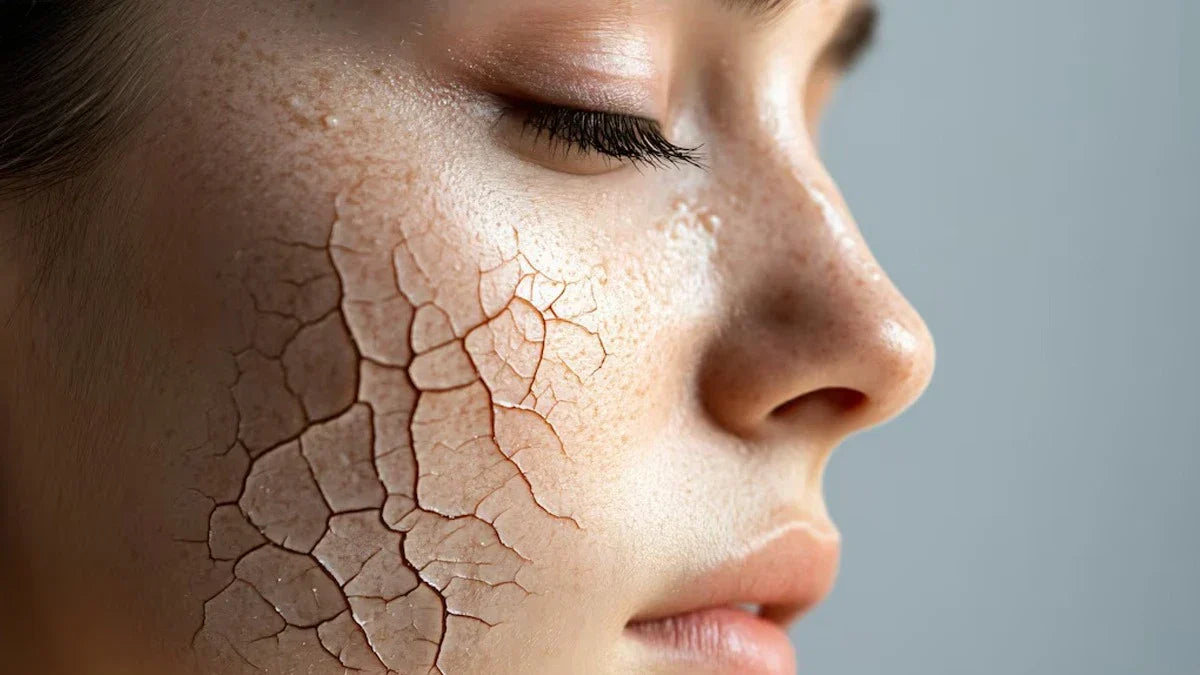
At some point, we all have experienced that dryness on our face and body. The flaky skin that peels off. The tightness on the face and the roughness on the skin. We pile makeup on your face in the hope of smoothening it out but only to see the glow fades as the day progresses.
Dry skin can attack you any time. Particularly in the winter. It is all because of dehydration, and despite all our best rejuvenation efforts, our skin still suffers from the dry patches. Dry patches are as much of a nuisance as it is a distress call that our skin is in badly need of some tender care.
So What Causes Such Severe Dehydration?
As the Harvard Medical School, in simple terms, explains, dry patches appear when the skin is unable to retain enough moisture or oil. This results in flaky and dull skin, which clinically is called xerosis.
Dry skin is more common during cold weather because the air has low humidity both indoors and outdoors. Our skin, specifically the epidermis, the outermost layer, loses its moisture more quickly in these dry conditions.
This means, the skin struggles to retain enough water to remain hydrated. The outcome: the skin looks dull and rough, sometimes with peeling and a tight feeling that affects the overall complexion.
Weather Not the Only Factor
But the weather is not the only reason for the dryness. Hot showers and harsh soaps can also strip away the natural oils that protect the skin. While a hot shower may feel comforting, it can weaken the skin’s protective barrier.
Ageing is another factor. As we grow older, the skin naturally produces less oil, making it more prone to dryness. Dehydration and a poor diet can contribute as well. When the body lacks enough water and essential nutrients, the skin reflects it.
Certain skin conditions, such as eczema or dermatitis, may also lead to persistent dryness, irritation and peeling.
Signs Your Skin Needs Hydration
Dry skin does not always appear the same way for everyone. But there are a few common signs that indicate your skin is lacking moisture. You may notice tightness after washing your face, especially without moisturiser. The skin may also appear flaky or scaly in certain areas.
Sometimes the complexion looks dull and tired, lacking its usual glow. In more severe cases, there may be cracks, redness or itching. These are all cues that the skin barrier needs hydration and nourishment.
Simple Remedies to Treat Dry Skin
Treating dry skin does not always require complicated routines. Often, small changes can make a noticeable difference. Here is how to remove dry skin using simple remedies.
-
Use a Gentle Cleanser
Harsh cleansers remove both dirt and the natural oils that protect the skin. A mild and hydrating cleanser helps keep the skin barrier intact.
-
Moisturise Immediately After Washing
Applying moisturiser while the skin is slightly damp helps lock in hydration. This is one of the simplest yet most effective steps.
-
Avoid Extremely Hot Water
Warm water is much kinder to the skin than hot water. Long hot showers can worsen dryness.
-
Drink Enough Fluid
Hydration begins from within. Drinking sufficient fluid throughout the day supports overall skin health.
-
Use a Humidifier
If the indoor air is dry, a humidifier can add moisture back into the environment and prevent the skin from losing hydration too quickly.
How to Treat Dry Skin
Some skincare ingredients are effective in restoring moisture. Hyaluronic acid attracts water to the skin and helps keep it plump and hydrated. Ceramides strengthen the skin barrier and prevent moisture loss. Vitamin B5 supports skin repair and improves hydration levels.
Lipids and fatty acids replenish the skin’s natural protective layer. Using products formulated with these ingredients can significantly improve the texture and comfort of dry skin.
Skincare Products Supporting Hydration
Along with a good routine, certain skincare products can support deeper hydration and help repair the skin barrier.  SkinCeuticals Hydrating B5 Serum
A lightweight, oil free hydrating serum formulated with vitamin B5 and hyaluronic acid has been designed to replenish and maintain optimal moisture levels in the skin, and this dermatologist trusted formula works to enhance the skin’s natural repair process while delivering deep, long lasting hydration that improves the appearance of smoothness, suppleness, and overall radiance as well as the feeling of softness and comfort
SkinCeuticals Triple Lipid Restore Cream
 A rich, corrective anti ageing cream formulated with a precise combination of essential lipids has been developed to restore the skin’s natural barrier and support self repair, and this award winning, dermatologist recommended formula works to replenish lost lipids while improving the appearance of skin texture, tone, and elasticity as well as reducing the visible signs of ageing such as fine lines and dullness, leaving the skin feeling nourished, firm, and deeply moisturised.
These products can be bought at Med 7 Online, and can complement a consistent skincare routine aimed at improving hydration.
Daily Skincare Routine for Dry Skin
A simple routine can help maintain hydration and protect the skin from further dryness. Start the morning with a gentle cleanser followed by a hydrating serum. After that, apply a rich moisturiser to lock in hydration. During the day, always use sunscreen, as sun exposure can worsen dryness and damage the skin barrier.
At night, repeat the cleansing process and apply a nourishing moisturiser to support overnight repair. Consistency matters more than complexity when it comes to skincare.
When to See a Dermatologist
Sometimes dryness can become persistent despite proper care. If the skin develops severe itching, redness or painful cracks, it may indicate an underlying condition.
In such cases, consulting a dermatologist is important. A professional can recommend suitable treatments tailored to the skin’s needs.
Restoring the Natural Glow
Dry skin may be common but it does not have to be permanent. With the proper skincare habits, hydration and supportive products, it is possible to restore the skin’s softness and natural glow.
The key lies in understanding what your skin needs and responding with gentle and consistent care. Over time, the skin begins to regain its balance, leaving it smoother, healthier and more comfortable every day.
FAQs
1. What causes dry skin on the face?
Cold weather, low humidity, harsh cleansers, hot showers and dehydration are common causes.
2. How can I hydrate dry facial skin quickly?
Use a hydrating serum and apply a good moisturiser right after washing your face.
3. Is dry skin worse in winter?
Yes. Winter air has low humidity which makes the skin lose moisture faster.
4. How often should I moisturise dry skin?
At least twice a day, morning and night.
5. Does drinking water help dry skin?
Yes. Proper hydration helps maintain overall skin health.
6. Which ingredients help dry skin?
Hyaluronic acid, ceramides and vitamin B5 are effective for hydration.
7. When should I see a dermatologist?
If dryness is severe, persistent or causes redness, itching or cracks.
