
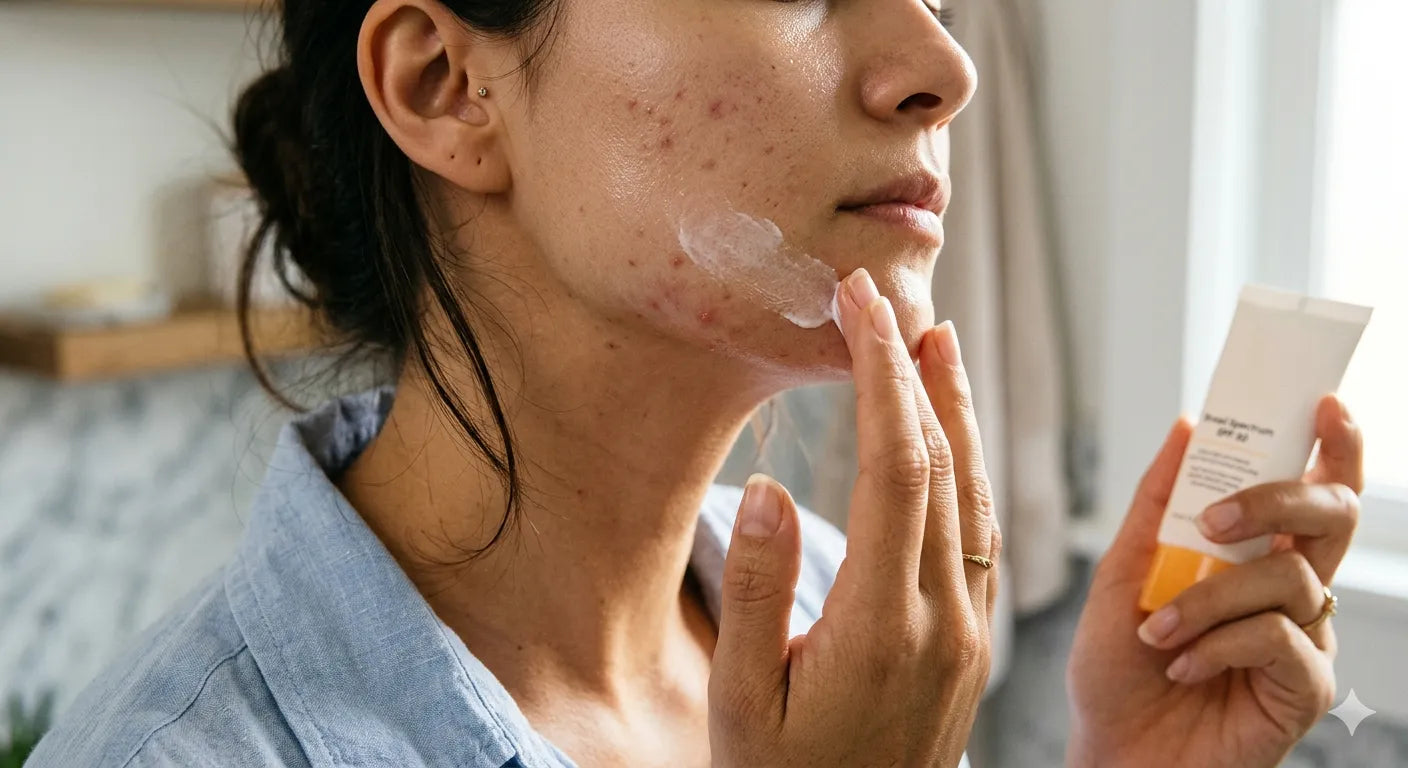


Are Sunscreen Sprays Effective? Everything You Need to Know
Sunscreen has become an essential part of modern skincare. Whether you are stepping out for work, heading to the beach, or simply driving through the city, protecting your skin from harmful UV rays is no longer optional.
Over the years, sunscreen products have evolved from thick creams to lightweight gels, sticks, mists, and sprays. Among these, sunscreen sprays have gained massive popularity because of their convenience and fast application.
But many people still wonder if sunscreen sprays are actually effective or if traditional creams provide better protection. Dermatologists often discuss this topic because the way sunscreen is applied can directly affect how well it protects the skin.
If you have ever asked yourself whether spray sunscreen works, whether it is safe for the face, or whether cream formulas are still better, this guide covers everything you need to know.
Why Sunscreen Matters More Than Ever
Sun exposure affects the skin every single day, even when you are indoors near windows or driving. UV rays can cause:
-
Premature ageing
-
Pigmentation and tanning
-
Sunburn and skin irritation
-
Long-term skin damage
This is why dermatologists recommend wearing sunscreen daily, regardless of weather conditions. The effectiveness of sunscreen depends not only on SPF levels but also on how consistently and correctly it is applied.
Modern users prefer products that are quick, comfortable, and easy to reapply throughout the day. This growing demand has made sunscreen sprays extremely popular worldwide.
Are Sunscreen Sprays Effective?
The simple answer is yes. Sunscreen sprays can be highly effective when used correctly. Dermatologists often explain that spray sunscreens contain the same active UV-protective ingredients found in creams and lotions. The difference lies mainly in the delivery method.
Many people searching for “Are sunscreen sprays effective everything you need to know by dermatologist” want to know whether sprays provide enough coverage. According to skincare experts, spray sunscreens can protect the skin effectively if applied generously and evenly.
The problem is not usually the formula itself. It is the way people apply it. Most users spray too little product, miss certain areas, or fail to rub it into the skin properly. This reduces overall protection.
When used correctly, sunscreen sprays can provide excellent coverage and are especially useful for outdoor activities, travel, sports, and quick reapplication.
Is Spray Sunscreen Good for the Face?
This is one of the most common concerns among skincare users. Spray sunscreen can work well for the face, but application technique matters greatly.
Directly spraying sunscreen onto the face is not always recommended because the product can accidentally enter the eyes, nose, or mouth. Dermatologists usually suggest spraying the product onto your hands first and then applying it evenly across the face.
Facial skin is more sensitive than the rest of the body, so choosing a lightweight and non-comedogenic sunscreen spray is important. Many modern sunscreen sprays are specially designed for facial use and offer oil-free, matte finishes that feel comfortable throughout the day.
People with acne-prone or oily skin often prefer spray formulas because they feel lighter compared to thick creams.
Sunscreen Spray or Cream: Which is Better?
The debate between sunscreen spray and cream continues because both have their advantages.
Cream sunscreens are often considered more reliable because users can clearly see where the product is applied. They usually provide thicker coverage and are less likely to be missed during application.
Spray sunscreens, on the other hand, are:
-
Faster to apply
-
Easier for reapplication
-
Lightweight on the skin
-
Convenient during travel and outdoor activities
For daily facial use, many dermatologists still recommend creams because they allow more controlled and even application. However, sprays are excellent for body coverage, outdoor use, and quick touch-ups.
The ideal solution often depends on lifestyle and personal preference. Some people even combine both products by using cream sunscreen in the morning and spray sunscreen for reapplication during the day.
If you are looking for the best sunscreen cream for face, always choose products that match your skin type, provide broad-spectrum protection, and contain at least SPF 30 or higher.
How to Apply Spray Sunscreen Properly
Application is the biggest factor that determines whether sunscreen sprays work effectively.
To apply spray sunscreen correctly, hold the bottle close enough to the skin and spray generously until the skin appears visibly wet. Many users make the mistake of spraying lightly for just a second or two, which does not provide adequate protection.
After spraying, gently spread the product evenly using your hands. This ensures full coverage and prevents missed spots.
For facial application:
-
Spray onto your palms first
-
Avoid direct contact with eyes
-
Blend evenly around the nose and jawline
-
Reapply every two hours outdoors
Reapplication is especially important during sweating, swimming, or prolonged sun exposure.
Are Sunscreen Sprays Safe?
Modern sunscreen sprays are generally considered safe when used as directed. However, inhalation is one concern that dermatologists frequently mention.
Aerosol sprays should not be inhaled directly. This is why it is better to apply them in open or well-ventilated areas. Avoid spraying around children’s faces or near the mouth and eyes.
Mineral-based sprays with zinc oxide or titanium dioxide are popular alternatives for people looking for gentler sunscreen options.
Is Spray Sunscreen Bad for the Environment?
Environmental concerns around sunscreen sprays have also become more common in recent years.
Earlier aerosol products sometimes contained chemicals harmful to the environment. However, many modern sunscreen brands have moved toward eco-friendly packaging and reef-safe ingredients.
Certain sunscreen ingredients may still affect marine ecosystems, especially coral reefs. This is why many consumers now choose reef-safe sunscreens that avoid harmful chemicals like oxybenzone and octinoxate.
If sustainability matters to you, look for products with:
-
Reef-safe formulas
-
Recyclable packaging
-
Eco-conscious ingredients
-
Dermatologist-tested formulations
Why Sunscreen Reapplication Matters
One major advantage of sunscreen sprays is convenience. Many people avoid reapplying cream sunscreens because they feel greasy or disrupt makeup.
Sprays make reapplication easier, especially during office hours, outdoor events, gym sessions, or travel. Since sunscreen loses effectiveness over time, easy reapplication plays a huge role in maintaining proper protection throughout the day.
This convenience factor is one reason sunscreen sprays continue gaining popularity globally.
Choosing the Right Sunscreen for Your Skin
Not every sunscreen works the same way for every skin type. Choosing the right formula can improve comfort and consistency.
People with oily skin usually prefer lightweight sprays or gel-based sunscreens. Dry skin types may benefit more from hydrating cream formulas. Sensitive skin often responds better to fragrance-free mineral sunscreens.
The most important thing is finding a sunscreen you enjoy using consistently. Even the best sunscreen cannot protect your skin if you avoid wearing it regularly.
Final Thoughts
Sunscreen sprays can absolutely be effective when applied properly. They offer convenience, lightweight comfort, and quick reapplication, making them ideal for busy lifestyles and outdoor activities. However, proper application is essential to ensure full protection.
Cream sunscreens still remain highly popular for facial use because they provide controlled and even coverage. Ultimately, the best sunscreen is the one you will use consistently every single day.
Whether you prefer sprays, creams, gels, or sticks, daily sun protection should always be part of your skincare routine. Choosing high-quality products suited to your skin type can help protect against premature ageing, pigmentation, and long-term skin damage.
Looking for trusted skincare and sunscreen products from the best online pharmacy in Dubai? Med7 Online offers a wide range of dermatologist-recommended sunscreens, skincare essentials, wellness products, and healthcare solutions delivered conveniently to your doorstep. Explore premium skincare options at Med7 Online and keep your skin protected every day.
FAQs
1. Are sunscreen sprays as effective as sunscreen creams?
Yes, sunscreen sprays can be highly effective when applied properly and generously. The key is even coverage and regular reapplication.
2. Is spray sunscreen good for the face?
Spray sunscreen can be used on the face, but dermatologists recommend spraying it onto your hands first and then applying it evenly to avoid inhalation or eye irritation.
3. Sunscreen spray or cream: which is better?
Both are effective. Creams provide more controlled coverage, while sprays are convenient for quick application and reapplication during outdoor activities.
4. How often should sunscreen spray be reapplied?
Sunscreen spray should generally be reapplied every two hours, especially after sweating, swimming, or prolonged sun exposure.
5. Can sunscreen sprays protect against tanning?
Yes, sunscreen sprays help protect against UV rays that cause tanning and skin damage when used correctly with adequate SPF.
6. Is sunscreen spray suitable for oily skin?
Many sunscreen sprays are lightweight and non-greasy, making them a good option for oily and acne-prone skin types.
7. Are aerosol sunscreen sprays safe?
Modern sunscreen sprays are generally safe, but they should not be inhaled directly. It is best to apply them in open or ventilated spaces.
8. Is spray sunscreen bad for the environment?
Some older sunscreen formulas affected marine ecosystems, but many brands now offer reef-safe and eco-friendly sunscreen sprays.
9. How do I apply sunscreen spray properly?
Spray generously until the skin appears wet, then spread evenly using your hands to ensure complete coverage.
10. Which SPF level is best for daily sunscreen use?
Dermatologists usually recommend SPF 30 or higher for daily protection against harmful UV rays.
