
Why You Need to Wear Sunscreen When Indoors
Most people think sunscreen is only for beach days, road trips, or outdoor workouts. But your skin faces damage even when you are sitting at home, working in an office, or relaxing indoors. Sun exposure is not limited to direct sunlight. Harmful rays can still reach your skin through windows, glass doors, and even digital screens.
If you skip sunscreen indoors, your skin may slowly develop pigmentation, tanning, dullness, wrinkles, and uneven texture without you even noticing it. This is why dermatologists recommend making sunscreen part of your everyday skincare routine, no matter where you are.
If you have ever wondered whether sunscreen indoors is really necessary, this guide explains everything in a simple and practical way.
Why Indoor Sun Exposure Matters
Sunlight contains UVA and UVB rays. UVB rays are responsible for sunburn and are mostly blocked by windows. UVA rays are different. They can pass through glass and reach your skin indoors.
UVA rays are known for causing:
-
Premature ageing
-
Fine lines and wrinkles
-
Pigmentation
-
Dark spots
-
Loss of skin elasticity
If you spend hours near windows at home, in a car, or at your workplace, your skin is constantly exposed to these rays.
This becomes even more important in places with strong sunlight and hot weather conditions like Dubai.
Benefits of Using Sunscreen Indoors
Many people underestimate the benefits of using sunscreen indoors because they do not see immediate effects. However, daily protection helps your skin in the long run.
Prevents Premature Ageing
One of the biggest reasons to wear sunscreen indoors is to slow down skin ageing. UVA rays break down collagen and elastin, which are essential for firm and youthful skin.
Using sunscreen daily helps reduce:
-
Wrinkles
-
Fine lines
-
Sagging
-
Uneven texture
Reduces Pigmentation
Pigmentation often worsens because of hidden sun exposure indoors. Even a few hours of sunlight through windows can trigger melanin production.
Sunscreen helps keep your complexion even and healthy.
Protects Sensitive Skin
If you use skincare products like retinol, vitamin C, exfoliating acids, or acne treatments, your skin becomes more sensitive to sunlight. Indoor UV exposure can still irritate your skin and worsen redness or dark spots.
Maintains Skin Barrier Health
Your skin barrier protects against dryness and irritation. UV exposure weakens this barrier over time. Wearing sunscreen indoors helps maintain hydration and overall skin health.
Helps Prevent Tanning
Indoor tanning is real, especially if your desk or favourite spot is near a window. Sunscreen minimises unwanted tanning and keeps your skin tone balanced.
Can We Use Sunscreen at Home Daily?
Yes, absolutely.
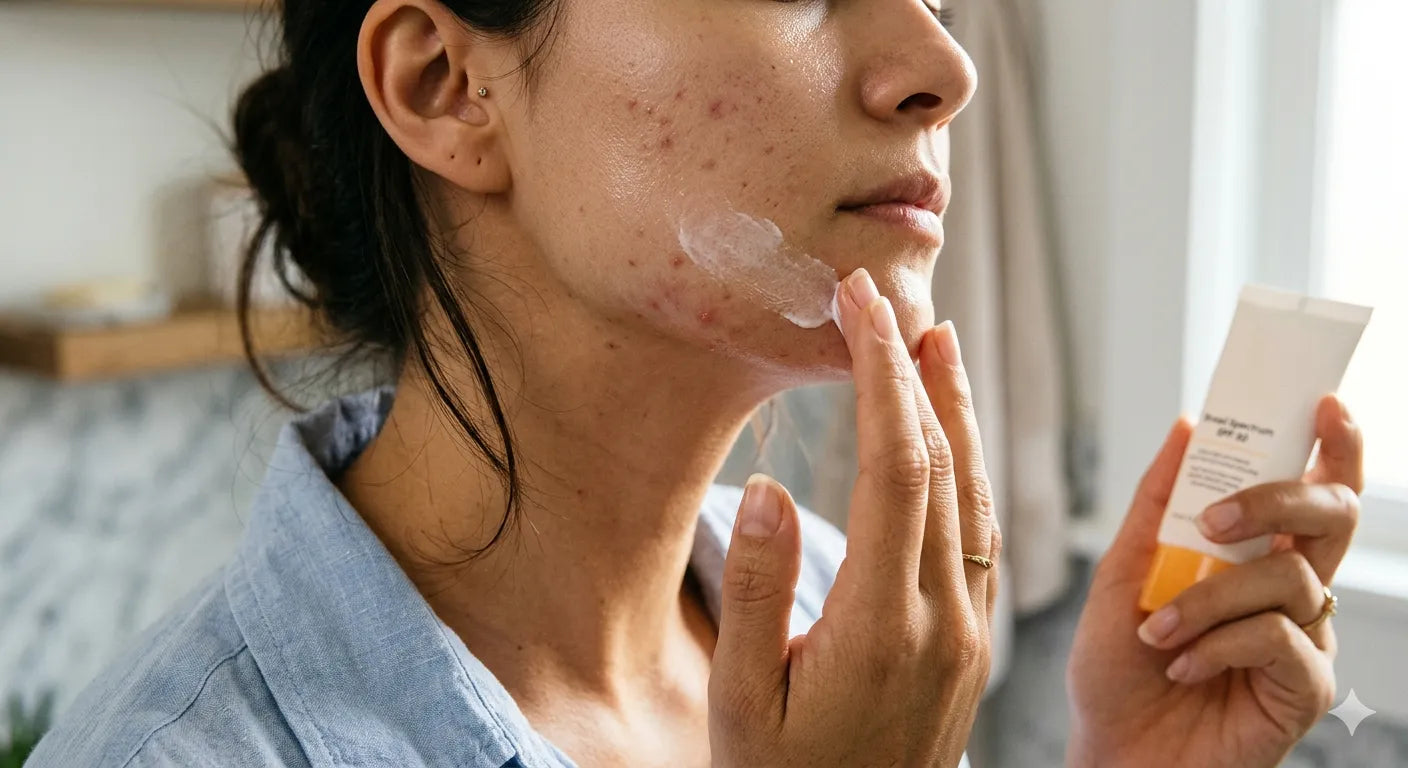
Dermatologists strongly recommend using sunscreen every single day, even at home. Daily sunscreen use creates a protective shield against invisible UV damage.
Think of sunscreen like brushing your teeth. You do not wait for a cavity to appear before brushing. In the same way, sunscreen prevents damage before it becomes visible.
Daily sunscreen use is especially important if:
-
You sit near windows
-
You drive frequently
-
You use active skincare ingredients
-
You work under bright lighting
-
You spend long hours on digital devices
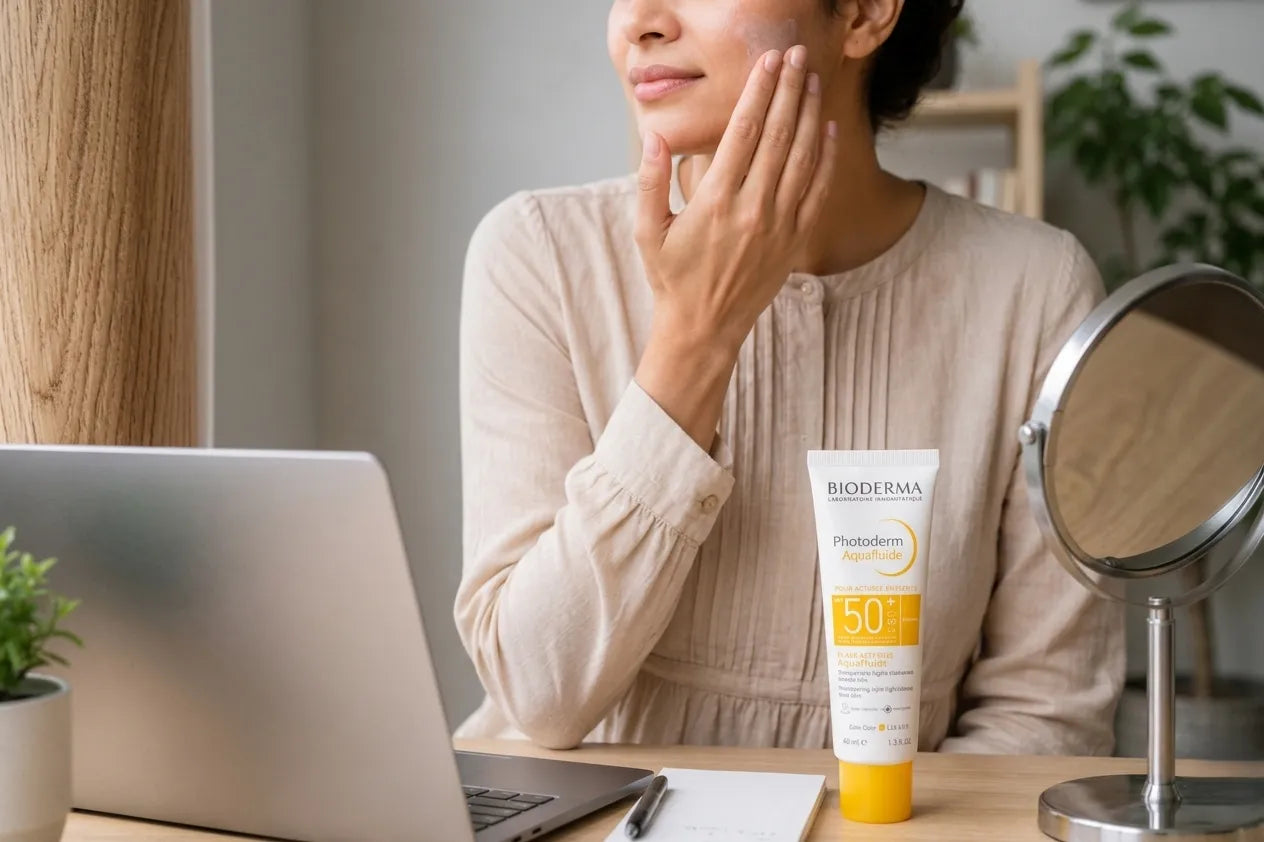
A lightweight, non greasy sunscreen works best for indoor use because it feels comfortable throughout the day.
In the middle of choosing the right skincare routine, many people search for the best sunscreen for face in Dubai because the region’s intense heat and strong UV index make daily sun protection even more important.
Should I Wear Sunscreen Indoors in Winter?
Yes, you should.
Many people stop using sunscreen during winter because the weather feels cooler. But UVA rays remain active throughout the year. They do not disappear during cloudy days or winter months.
Indoor heating systems can also make your skin dry and sensitive. Combining hydration with sunscreen helps maintain healthy skin during colder seasons.
Winter sunscreen use helps:
-
Prevent winter pigmentation
-
Protect against hidden UV exposure
-
Reduce skin dryness
-
Slow down signs of ageing
Consistency is what makes the biggest difference in skincare results.
How Often Should You Apply Sunscreen Indoors?
If you stay indoors most of the day with minimal sunlight exposure, applying sunscreen once in the morning may be enough.
However, reapplication is important if:
-
You sit near windows for long hours
-
You sweat often
-
You wash your face
-
You step outdoors occasionally during the day
Most dermatologists recommend reapplying sunscreen every 2 to 3 hours when exposed to sunlight regularly.
For indoor use, a lighter reapplication schedule may work depending on your environment and exposure level.
Do You Need to Wear Sunscreen at Night?
No, sunscreen is not needed at night.
Sunscreen is designed to protect your skin from UV radiation. Since there is no sun exposure at night, sunscreen is unnecessary during bedtime.
Instead, your nighttime skincare routine should focus on:
-
Hydration
-
Skin repair
-
Nourishment
-
Anti ageing ingredients
Night creams, serums, and moisturisers work better while your skin naturally repairs itself during sleep.
What Type of Sunscreen Is Best for Indoor Use?
The ideal sunscreen for indoor use should feel light, breathable, and comfortable on the skin.
Look for:
-
Broad spectrum protection
-
SPF 30 or higher
-
Non greasy texture
-
Lightweight formula
-
Hydrating ingredients
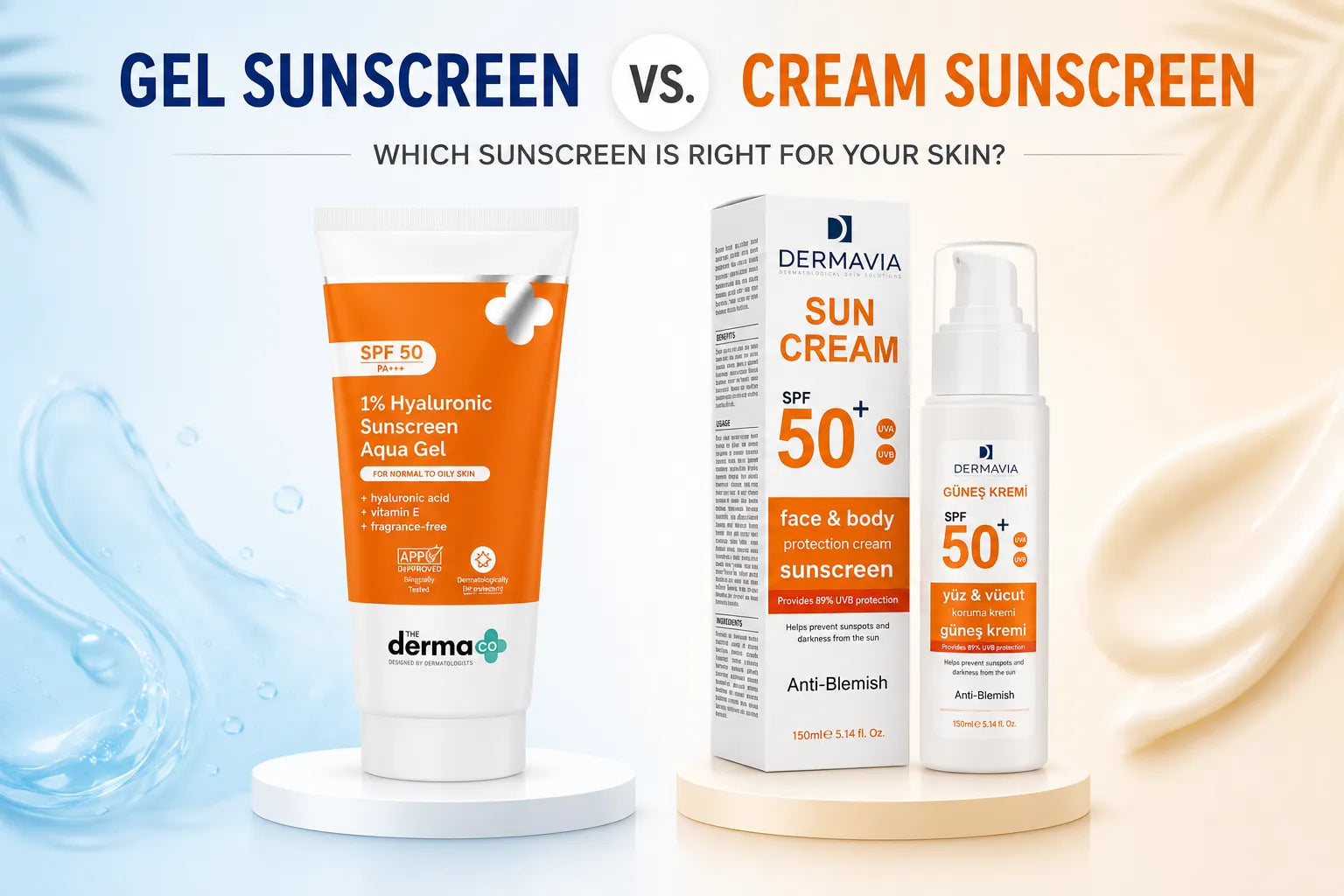
Gel based or fluid sunscreens are often preferred for daily indoor wear because they absorb quickly and do not feel heavy.
If you have oily skin, matte finish sunscreens work well. For dry skin, hydrating sunscreens with added moisturising ingredients can help.
Common Myths About Indoor Sunscreen Use
“I Am Safe Because I Stay Indoors”
This is one of the biggest misconceptions. UVA rays can penetrate glass and continue affecting your skin indoors.
“I Only Need Sunscreen at the Beach”
Daily low level exposure adds up over time. Small amounts of UV exposure every day can still cause long term damage.
“Cloudy Weather Means No UV Rays”
Clouds do not completely block UVA rays. Your skin still needs protection even on cloudy or rainy days.
“Makeup With SPF Is Enough”
Most makeup products do not provide sufficient SPF coverage unless applied in large amounts. A dedicated sunscreen is still necessary.
Easy Tips to Remember Indoor Sunscreen
Making sunscreen part of your daily routine becomes easy with simple habits.
-
Apply sunscreen after moisturiser every morning
-
Keep sunscreen near your skincare products
-
Choose a lightweight formula you enjoy using
-
Reapply if sitting near sunlight for hours
-
Use sunscreen even during work from home days
Consistency matters more than perfection.
Final Thoughts
Wearing sunscreen indoors is not an unnecessary skincare trend. It is a smart and essential habit for maintaining healthy, youthful skin. Invisible UV exposure can quietly damage your skin over time, even while you are indoors.
Daily sunscreen use helps protect against pigmentation, wrinkles, tanning, and early signs of ageing. Whether it is summer or winter, home or office, sunscreen deserves a permanent place in your routine.
If you are looking for trusted skincare products and the best online pharmacy in Dubai, explore premium skincare essentials at Med 7 for reliable sun protection and everyday skincare needs.
FAQs
1. Can we use sunscreen at home daily?
Yes, dermatologists recommend using sunscreen daily even at home because UVA rays can pass through windows and affect your skin indoors.
2. What are the benefits of using sunscreen indoors?
Using sunscreen indoors helps prevent premature ageing, pigmentation, tanning, dark spots, and loss of skin elasticity caused by hidden UV exposure.
3. Should I wear sunscreen indoors in winter?
Yes, sunscreen should be used during winter as UVA rays remain active throughout the year, even on cloudy or cooler days.
4. How often should you apply sunscreen indoors?
If you stay indoors most of the day, applying sunscreen once in the morning may be enough. Reapplication is recommended if you sit near windows or step outside frequently.
5. Do you need to wear sunscreen at night?
No, sunscreen is not necessary at night because there is no UV exposure after sunset. Night skincare should focus on hydration and skin repair.
6. Can indoor lighting damage your skin?
Some indoor lighting and digital screen exposure may contribute to skin stress over time, especially when combined with UV exposure from windows.
7. What SPF is best for indoor use?
A broad spectrum sunscreen with SPF 30 or higher is generally recommended for everyday indoor protection.
8. Can sunscreen help prevent pigmentation indoors?
Yes, regular sunscreen use helps reduce pigmentation and uneven skin tone caused by indoor UV exposure.
9. Is sunscreen necessary if I work from home?
Yes, working near windows or in bright indoor spaces can still expose your skin to UVA rays, making sunscreen important even during work from home days.
10. What is the best online pharmacy in Dubai?
Many people prefer Med 7 Online for skincare and wellness essentials because of its convenient service, trusted products, and easy online access.
